
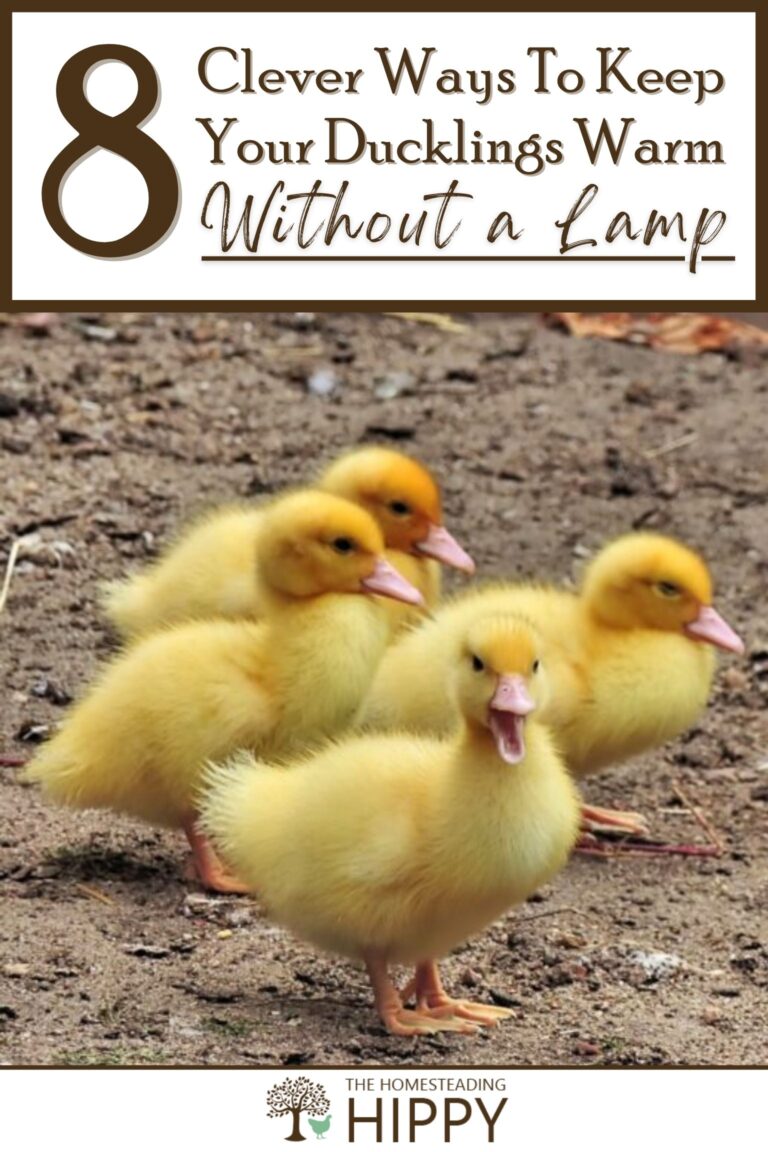
Image Source: thehomesteadinghippy.com
How To Keep Ducklings Warm Without A Lamp: DIY Tips
Can I keep ducklings warm without a heat lamp? Yes, you absolutely can! While heat lamps are a common tool for duckling care temperature management, they are not the only option. There are several effective and safer DIY methods to provide the necessary supplemental heat for your young flock, avoiding the risks associated with traditional heat lamps.
Creating a Safe Haven: The Brooder Box Essentials
Your ducklings’ first few weeks of life are critical, and maintaining the correct temperature is paramount to their survival and healthy development. A well-constructed brooder box is the foundation for providing a safe and warm environment. It needs to be large enough for ducklings to move away from the heat source if they become too warm, yet cozy enough to retain heat.
Brooder Box Materials:
- Cardboard Boxes: Sturdy, large cardboard boxes work well for small batches of ducklings. Ensure they are deep enough to prevent escape and have ventilation holes.
- Plastic Tubs: Large plastic storage bins can be adapted. Be sure to add ample ventilation by drilling holes or cutting out sections and covering them with mesh.
- Wooden Crate: A custom-built wooden crate offers durability and can be easily adapted for ventilation and access.
Brooder Box Setup:
- Bedding: Use absorbent and comfortable bedding like pine shavings (avoid cedar, which can be harmful), sand, or even old towels and fleece for ducklings. For younger ducklings, towels or fleece can be safer as they prevent leg issues and drowning. Ensure the bedding is deep enough to absorb moisture and waste.
- Waterer: Ducklings need constant access to fresh water. A heavy crock or a specialized chick waterer that prevents them from drowning is ideal.
- Food: Provide chick starter feed specifically formulated for waterfowl or a quality game bird starter.
Exploring Heat Source Alternatives to Lamps
The primary concern with heat lamps is fire hazard and the potential for overheating or burns. Fortunately, several heat source alternatives can mimic the warmth a mother duck provides, ensuring safe heat for ducklings.
Warming Pad for Ducklings: The Gentle Heat Solution
One of the most effective and safest ways to provide natural warmth is using a warming pad for ducklings. These are specifically designed for animal use and offer a consistent, gentle heat.
Types of Warming Pads:
- Under-Tank Reptile Heaters: These flat heating pads are designed to be placed underneath a portion of the brooder. They provide radiant heat from below, mimicking the warmth of the earth.
- Pros: Safe, consistent heat, can be regulated with a thermostat, prevents direct contact with heating elements.
- Cons: Can be slower to heat the entire brooder if not sized correctly, may require a thermostat for precise control.
- Heated Pet Beds: Many electric pet beds designed for cats and dogs can be repurposed. Choose one with a low wattage and a durable, chew-resistant cord.
- Pros: Comfortable, often have safety features like chew-resistant cords, readily available.
- Cons: Can be too hot if not regulated, may not provide even heat distribution across the entire brooder.
How to Use a Warming Pad Safely:
- Placement: Place the warming pad under one-third to one-half of the brooder floor. This allows ducklings to move to a cooler area if they get too warm.
- Thermostat Control: If your warming pad doesn’t have a built-in thermostat, invest in an external thermostat. This is crucial for maintaining the correct duckling care temperature. Place the thermostat probe on the bedding surface, near where the ducklings will be resting.
- Cord Safety: Ensure all cords are secured and out of reach of the ducklings to prevent them from chewing on them. You can use cord protectors or run them along the outside of the brooder.
- Supervision: Always monitor your ducklings when using any safe heating methods. Observe their behavior to gauge if the temperature is right.
Cozy Comfort: Insulated Brooder Designs
An insulated brooder is key to retaining heat, regardless of the supplemental heat source. Insulation minimizes heat loss, making your chosen method more efficient and providing a more stable environment.
Insulating Your Brooder Box:
- Fleece and Blankets: Line the sides and bottom of your brooder box with thick blankets or layers of fleece for ducklings. This traps heat effectively. Ensure that only a portion of the brooder floor has a heat source underneath, allowing for a temperature gradient.
- Foam Insulation Boards: For custom-built brooders, rigid foam insulation boards can be attached to the exterior walls and bottom. Cover the foam with a safe material like wood or durable plastic.
- Dual Brooder Layers: For extra insulation, consider placing a smaller container inside a larger one, with insulation material (like crumpled newspaper or fleece for ducklings) filling the gap between them.
Harnessing Natural Warmth: Mimicking Mother Duck
Ducklings possess an innate drive to huddle together for warmth, a behavior inherited from their mother. You can leverage this natural instinct to create a warm pocket within the brooder.
Creating Warm Huddles:
- Fleece Tubes and Balls: Roll up pieces of fleece for ducklings or soft towels into tubes or balls and place them in a designated area of the brooder. Ducklings will naturally snuggle into these.
- Small, Cozy Nooks: Create small, enclosed spaces within the brooder using cardboard or small boxes. Ducklings will gather in these areas, trapping their body heat.
- Gentle Overhead Heat (with Caution): If you must use an overhead heat source, opt for a low-wattage, ceramic heat emitter or a poultry-specific brooder heater. These emit heat without light, which can be less disruptive to the ducklings’ natural sleep cycles. Ensure they are placed at a safe height and secured firmly to prevent them from falling. This is a more advanced method and requires careful monitoring.
Maintaining the Correct Duckling Care Temperature
The ideal duckling care temperature is critical for their health. Ducklings need higher temperatures than chicks, especially in the first week.
Temperature Guidelines:
- Week 1: 90-95°F (32-35°C)
- Week 2: 85-90°F (29-32°C)
- Week 3: 80-85°F (27-29°C)
- Week 4: 75-80°F (24-27°C)
- After 4 Weeks: Ducklings can usually tolerate room temperature, provided there are no drafts and they have access to shelter from wind and rain.
How to Monitor Temperature Without a Thermometer:
Observing your ducklings’ behavior is a reliable way to gauge the temperature:
- Too Cold: Ducklings will huddle tightly together, cheep loudly and incessantly, and appear lethargic.
- Just Right: Ducklings will spread out comfortably in the brooder, play, eat, and sleep soundly. They may occasionally huddle together, but not in a panicked way.
- Too Hot: Ducklings will spread out as far from the heat source as possible, pant, and appear weak. They may also sit with their wings spread.
Gradual Temperature Reduction:
As ducklings grow, they generate more of their own body heat and develop downy feathers, making them less reliant on external heat. It is crucial to reduce the temperature gradually to avoid shocking them. Aim to lower the temperature by about 5°F (3°C) each week.
Safety First: Essential Precautions for Lamp-Free Heating
Even when avoiding heat lamps, safety remains the top priority.
Safe Heating Methods Checklist:
- No Direct Contact: Ensure ducklings cannot come into direct contact with any heating element.
- Secure Cords: All electrical cords must be secured and protected from chewing.
- Ventilation is Key: Even with alternative heating, good ventilation is necessary to prevent moisture buildup and ammonia fumes.
- Fire Prevention: Never place any heat source near flammable materials.
- Constant Monitoring: Regularly check on your ducklings and their temperature.
What About Incubator Heat?
If you are hatching duck eggs, the incubator provides the initial warmth. Once ducklings hatch, they will need to be moved to a brooder with a controlled supplemental heat source. Incubator heat is typically higher than what a brooder needs once ducklings are mobile and start growing.
Can I Use Heated Water Bottles?
While heated water bottles can provide temporary warmth, they are generally not recommended as a primary heat source alternative. They cool down quickly and require constant reheating, making it difficult to maintain a consistent temperature. There’s also a risk of ducklings overheating if they are unable to move away from a continuously warm bottle.
What About Sunlight?
Sunlight can provide some warmth, but it’s unreliable for consistent heating. Ducklings can overheat quickly in direct sunlight, especially if they cannot escape it. It’s better to rely on controlled heating methods.
Bringing it All Together: Creating an Optimal Brooder Environment
Combining several of these DIY tips can create a robust and safe heating system for your ducklings.
Example DIY Setup: The Insulated Box with Warming Pad
- Choose your brooder box: A large plastic tub works well.
- Insulate: Line the bottom and two-thirds of the sides with thick layers of old towels or fleece for ducklings. Leave one-third of the floor and the top uncovered for ventilation and observation.
- Install the warming pad: Place an under-tank reptile heater beneath the insulated portion of the floor.
- Add thermostat: Plug the warming pad into a thermostat and place the probe on the bedding surface in the heated area.
- Add bedding: Cover the entire floor with a layer of pine shavings or sand, ensuring it’s not too deep for very young ducklings.
- Provide water and food: Place their waterer and food dish in the cooler part of the brooder.
- Monitor: Observe your ducklings closely for the first few days to ensure they are comfortable.
Frequently Asked Questions (FAQ)
Q1: How do I know if my ducklings are too cold or too hot without a thermometer?
A: Observe their behavior. If they are huddled tightly and cheeping constantly, they are likely too cold. If they are spread out far from the heat, panting, and have their wings spread, they are too hot.
Q2: Can I use a regular human heating pad for ducklings?
A: It’s not recommended. Human heating pads can get too hot and lack the safety features of pet-specific warming pads. They can also pose a fire risk. Always opt for products designed for pet use.
Q3: How much space do ducklings need in their brooder?
A: Ducklings need about 2 square feet per duckling once they are a week or two old. Start with a smaller space and expand as they grow, or move them to a larger brooder.
Q4: When can I stop providing supplemental heat?
A: Generally, ducklings can be weaned off supplemental heat around 4-6 weeks of age, provided they have fully developed down and are accustomed to room temperatures and have access to shelter from drafts and cold weather.
Q5: Is it okay if my ducklings get slightly wet?
A: Ducklings can tolerate getting a little wet from their water dishes, but they should not be left in damp conditions. Dampness combined with cold can quickly lead to chilling and illness. Ensure their bedding is dry and absorbent.
By carefully preparing your brooder box and utilizing these heat source alternatives, you can provide a warm, safe, and nurturing environment for your ducklings without resorting to potentially hazardous heat lamps. Your diligence in maintaining the correct duckling care temperature will contribute to their healthy growth and development.