
Can I install LED light strips inside my car? Yes, you absolutely can install LED light strips inside your car, and it’s a popular way to add a personalized touch and enhance the ambiance of your vehicle’s interior.
This guide will walk you through the process of installing car interior LED lights to create a custom car LED setup. We’ll cover everything from choosing the right lights to seamlessly wiring LED strips in car for a professional-looking result. Whether you’re looking for underdash LED lights, interior accent lighting for cars, or general car ambient lighting installation, this step-by-step process will make DIY car lighting achievable for everyone.
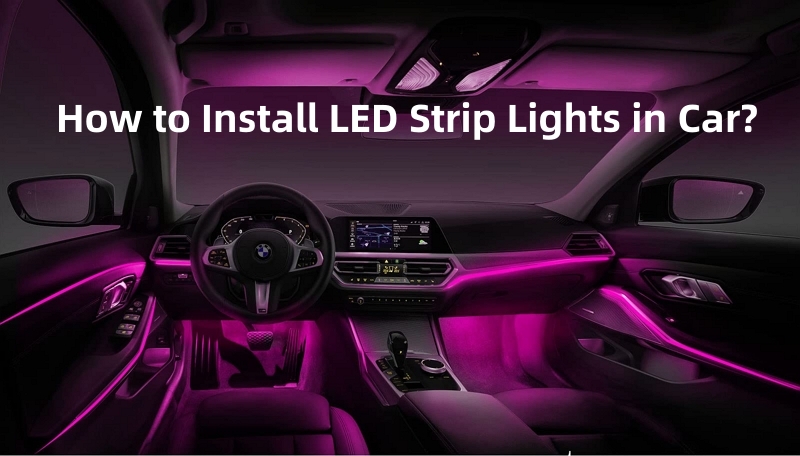
Image Source: shop-cdn.aidot.com
Choosing Your Car Interior LED Lights
Before you start drilling or connecting wires, selecting the right LED light strips is crucial. There are many options available, and the best choice depends on the look you want to achieve and your budget.
Types of LED Strips
- Basic LED Strips: These are the most common and affordable. They come in various colors, and some offer RGB (Red, Green, Blue) functionality, allowing you to change colors via a remote or app.
- Sound-Activated Strips: These strips sync with your car’s audio system, flashing and changing color to the beat of the music. This is a fun option for those who love to entertain.
- App-Controlled Strips: With these, you use a smartphone app to control colors, brightness, patterns, and even set schedules. They offer the most flexibility for customization.
- Chasing or Flowing LED Strips: These create dynamic lighting effects, with colors appearing to “flow” or “chase” along the strip. This can add a very modern and high-tech look.
What to Consider When Buying
- Voltage: Most car interior lights run on 12V, which is standard for automotive systems. Ensure the strips you buy are designed for this.
- Length: Measure the areas where you plan to install the lights to determine how much you’ll need. It’s always better to have a little extra than not enough.
- Adhesive Backing: Good quality 3M adhesive is essential for a secure and long-lasting installation.
- Durability and Flexibility: Look for strips that are flexible enough to bend around corners and durable enough to withstand the vibrations and temperature changes in a car.
- Water Resistance: While not strictly necessary for interior installations, some mild water resistance can be helpful for accidental spills.
Planning Your LED Strip Placement
The best LED strip placement car interiors is key to a professional and aesthetically pleasing result. Think about where you want the light to be most effective and visually appealing.
Popular Placement Areas
- Under the Dashboard: This is a classic spot for underdash LED lights, creating a soft glow that illuminates the footwells.
- Under Seats: Similar to under the dash, lighting under the seats adds a subtle ambiance.
- Door Panels: Running strips along the bottom edge of door panels can provide a welcoming glow when the doors open.
- Center Console: Accent lighting around the center console can highlight storage areas and cup holders.
- Overhead Console/Sun Visors: While more complex, this can offer a unique overhead lighting effect.
- Trunk: A bright LED strip in the trunk can make finding items much easier.
Design Considerations
- Subtlety vs. Boldness: Do you want a soft, ambient glow or a more vibrant, eye-catching display? This will influence the intensity and type of LEDs you choose.
- Color Scheme: Will you use a single color, or do you want the flexibility of RGB to change colors based on mood or occasion?
- Visibility of the Strip: Aim to hide the LED strip itself, letting only the light diffuse into the desired area. This often means mounting them behind trim pieces or in recessed areas.
Gathering Your Tools and Materials
Having the right tools makes the automotive LED strip installation process much smoother.
Essential Tools
- Wire Strippers/Cutters: For preparing wires.
- Crimpers: To secure wire connections.
- Heat Shrink Tubing or Electrical Tape: For insulating connections.
- Screwdriver Set: Various sizes for removing trim panels.
- Trim Removal Tools: Plastic tools that prevent damage to your car’s interior panels.
- Drill with Small Bit: If you need to create small holes for wires (use sparingly).
- Zip Ties or Cable Management Clips: To keep wiring tidy.
- Multimeter (Optional but Recommended): To test for voltage and continuity.
- Gloves and Safety Glasses: For protection.
Materials
- LED Light Strips: As chosen in the previous step.
- In-line Fuse Holder and Fuse: Crucial for protecting your electrical system.
- Wire Connectors (e.g., T-taps, butt connectors): For making secure electrical connections.
- Extension Wires: If the included wiring isn’t long enough.
- Adhesive Promoter (Optional): Can help the LED strip’s adhesive stick better, especially on textured surfaces.
Step-by-Step Installation Guide
This section covers the core of DIY car lighting, breaking down the process into manageable steps.
Step 1: Disconnecting the Battery
Safety first! Before you begin any electrical work in your car, it’s essential to disconnect the negative terminal of your car battery. This prevents short circuits and protects you from electrical shock.
- Locate your car battery.
- Use a wrench to loosen the nut on the negative (-) terminal clamp.
- Gently twist and lift the negative cable off the battery post.
- Ensure the cable cannot accidentally touch the battery terminal.
Step 2: Planning Wire Routing
Carefully plan how you will run the wires from the LED strips to their power source.
- Concealment: The goal is to hide all wiring. Look for existing channels, gaps behind trim panels, or under carpets where wires can be routed discreetly.
- Access: Ensure you can access the power source without making it difficult to remove or service interior panels later.
- Sharp Edges: Be mindful of sharp metal edges that could potentially cut through wire insulation over time. Use grommets or wrap wires in protective tape if necessary.
Step 3: Attaching the LED Strips
Once you’ve decided on the placement, it’s time to attach the strips.
- Clean the Surface: Ensure the area where you’ll mount the LED strip is clean, dry, and free of dust or grease. Use an automotive interior cleaner or isopropyl alcohol.
- Apply Adhesive Promoter (Optional): If your kit includes an adhesive promoter, apply a thin, even coat to the mounting surface. Let it dry for the recommended time.
- Peel and Stick: Carefully peel the backing off the LED strip’s adhesive tape.
- Press Firmly: Apply the strip to the surface, pressing down firmly for at least 30 seconds to ensure good adhesion. For curved surfaces, you might need to bend the strip gently as you apply it.
Step 4: Wiring LED Strips in Car
This is where you connect the LED strips to a power source.
Powering Car LED Strips
There are a few ways to power your LED strips, each with its pros and cons.
Option A: Tapping into an Existing Accessory Circuit (Recommended for Beginners)
This method involves connecting your LED strips to a circuit that is only active when the car is running or the ignition is turned to the accessory position. This prevents the LEDs from draining your battery when the car is off.
- Identify a Suitable Circuit: Look for a fuse that powers something you don’t frequently use or something that turns off with the ignition, like the cigarette lighter or a small interior light. A fuse tap is highly recommended for this.
- Use a Fuse Tap: A fuse tap (or Add-a-Circuit) allows you to safely tap into an existing fuse slot without cutting factory wires. You’ll need to match the fuse tap to the amperage of your LED setup and the original fuse it’s replacing.
- Connect the Fuse Tap:
- Plug the original fuse for the circuit into the bottom slot of the fuse tap.
- Insert a new fuse (sized for your LED strips) into the top slot of the fuse tap.
- Plug the fuse tap into the chosen fuse slot in your car’s fuse box.
- Connect the LED Strip Wire: Connect the positive (+) wire from your LED strip to the wire extending from the fuse tap. Use a wire connector or crimp.
- Ground the LED Strip Wire: Find a clean, unpainted metal surface in your car to use as a ground. This could be a bolt holding down a piece of metal trim or a factory ground point. Connect the negative (-) wire from your LED strip to this ground point using a ring terminal or appropriate connector.
Option B: Connecting to the Accessory Power Outlet (Cigarette Lighter)
Many LED kits come with adapters that plug directly into the 12V accessory outlet. This is the easiest method, but the light will only be on when the accessory outlet is powered (usually with the ignition on).
- Plug in the Adapter: Simply plug the adapter that came with your LED kit into the 12V accessory outlet.
- Route the Wire: Conceal the wiring from the adapter to your LED strips.
- Connect the LED Strips: Connect the LED strips to the adapter according to the kit’s instructions.
Option C: Wiring Directly to the Fuse Box (More Advanced)
This involves more direct connection to the fuse box, often using a relay for more complex setups or higher power draws. For simple LED strips, tapping into an accessory circuit as described in Option A is usually sufficient and safer for DIY.
General Wiring Tips:
- Polarity: Always ensure you connect positive (+) to positive and negative (-) to negative. Incorrect polarity will prevent the LEDs from working.
- Secure Connections: Use crimp connectors or solder connections and insulate them with heat shrink tubing or good quality electrical tape. Loose connections are a common cause of problems.
- Inline Fuse: Always install an inline fuse holder between your power source and the LED strips. The fuse should be rated slightly higher than the total amperage draw of your LED strips. This protects your car’s electrical system from overcurrent.
Step 5: Testing the Installation
Before you reassemble all the interior panels, it’s crucial to test your work.
- Reconnect the Battery: Carefully reconnect the negative terminal of your car battery.
- Turn on Ignition: Turn your car’s ignition to the “on” or “accessory” position.
- Activate LEDs: Turn on your LED lights using their remote, app, or switch.
- Check for Issues: Ensure all LEDs are illuminating correctly, and there are no flickering issues or warning lights on your dashboard. If something isn’t working, immediately turn off the ignition and recheck your wiring connections.
Step 6: Tidying Up and Securing Wires
Once you’ve confirmed everything works, it’s time to make the installation look clean and professional.
- Secure Loose Wires: Use zip ties or cable management clips to bundle and secure any visible wiring. Route them along existing harnesses or secure them to the car’s chassis.
- Tuck Away Wires: Tuck all wires neatly behind trim panels, under carpets, or within existing automotive channels.
- Reassemble Trim Panels: Carefully reattach any trim panels you removed during the installation. Ensure they snap back into place securely.
Advanced Customization and Control
Once you have the basic car ambient lighting installation down, you can explore more advanced options.
Integrating with Car’s Systems
For those comfortable with electronics, you can integrate your LED strips with other car systems:
- Door Trigger: Wire the LEDs to turn on when a door opens and off when it closes. This involves tapping into the dome light circuit or door pin switch wires.
- Strobe or Flashing Effects: Some kits offer programmable strobe patterns, which can be used for show purposes, but be aware of local laws regarding flashing lights on vehicles.
Wireless Control Options
Many modern LED kits come with remote controls or smartphone apps, offering easy control over:
- Color Selection: Choose from millions of colors.
- Brightness Adjustment: Dim or brighten the lights to your preference.
- Dynamic Modes: Select various chasing, fading, or pulsing effects.
- Scheduling: Set timers for when the lights turn on or off.
Maintaining Your Car Interior LED Lights
Proper care will ensure your custom lighting lasts.
- Avoid Excessive Heat: Do not place LED strips directly against hot surfaces like exhaust components or near engine parts if running wires to the trunk or undercarriage.
- Regular Cleaning: When cleaning your car’s interior, be careful around the LED strips. Avoid spraying cleaning solutions directly onto them.
- Check Connections: Periodically, especially if you notice any flickering, check that your wiring connections are still secure.
Frequently Asked Questions (FAQ)
Q: Will installing LED lights drain my car battery?
A: If wired correctly to a circuit that only receives power when the ignition is on (like accessory power or a switched fuse), your LED lights will not drain your battery when the car is off. If wired directly to a constant 12V source without a switch, they will drain the battery.
Q: How do I know which fuse to tap into?
A: It’s best to use a fuse tap on a circuit that powers accessories that turn off with the ignition. For example, the cigarette lighter, radio, or certain interior lights are good candidates. A multimeter can help you identify which circuits are active only when the ignition is on.
Q: Can I connect multiple LED strips together?
A: Yes, you can connect multiple strips in series or parallel, as long as the total amperage draw does not exceed the rating of your fuse, wiring, and the power output of your source. Many kits are designed to be extendable.
Q: Are there any legal restrictions on interior car lighting?
A: Generally, interior lighting is less regulated than exterior lighting. However, it’s always a good idea to be aware of local laws. Avoid overly bright or flashing lights that could distract the driver or be mistaken for emergency vehicle lights. The primary goal should be ambiance and accentuation, not distraction.
Q: How long will LED strips last?
A: High-quality LED strips are designed for long lifespans, often tens of thousands of hours. The actual lifespan can be affected by factors like heat, vibration, and the quality of the electrical connections.
Q: What if the adhesive on the LED strip doesn’t stick well?
A: Ensure the surface is thoroughly cleaned and dry. Using an adhesive promoter can significantly improve adhesion on textured or less-than-ideal surfaces. If the adhesive fails, you can use a small amount of automotive-grade adhesive or double-sided mounting tape specifically designed for automotive interiors.
By following these steps and tips, you can confidently tackle DIY car lighting and enjoy your newly illuminated interior. This automotive LED strip installation project is a rewarding way to personalize your vehicle and create a unique driving experience.