
Can I wire a lamp with a switch myself? Yes, you can wire a lamp with a switch yourself by following these safety guidelines and step-by-step instructions. This guide will walk you through the process of DIY lamp wiring, including essential electrical safety tips for a successful and safe project. Whether you need to perform a lamp cord replacement, rewire a table lamp, or simply add an in-line lamp switch, this comprehensive resource is designed to help you confidently tackle the task. We’ll cover everything from selecting the right parts to ensuring a secure and functional connection, making your lamp base wiring a breeze.
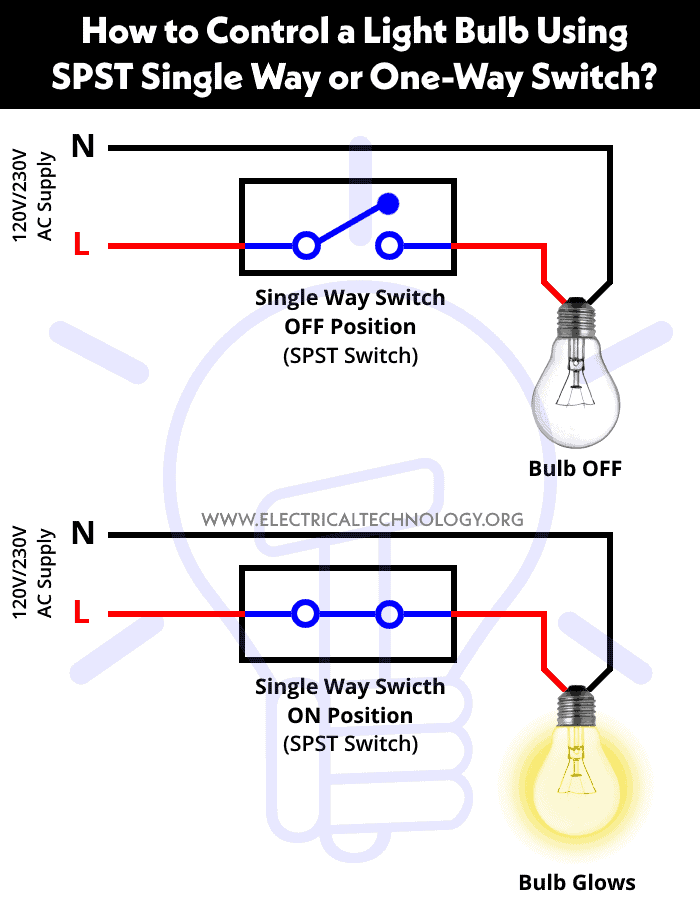
Image Source: www.electricaltechnology.org
Preparing Your Workspace and Gathering Tools
Before you begin any DIY lamp wiring, it’s crucial to prepare your workspace and gather the necessary tools and materials. Safety first is paramount when dealing with electricity. Ensure you are working in a well-lit area, free from moisture. Having all your supplies ready will make the process smoother and more efficient.
Essential Tools for Lamp Wiring
Here’s a list of tools you’ll likely need for your lamp cord replacement or rewire a table lamp project:
- Wire Strippers: These are essential for safely removing the insulation from electrical wires without damaging the conductor.
- Screwdrivers: A set of Phillips and flathead screwdrivers of various sizes will be necessary for disassembling and reassembling lamp parts.
- Pliers: Needle-nose pliers are particularly useful for gripping and bending wires, and standard pliers can help with tightening connections.
- Wire Cutters: For cleanly cutting electrical wire.
- Utility Knife: Can be helpful for making small cuts or scoring insulation, though wire strippers are preferred for clean stripping.
- Multimeter (Optional but Recommended): To test for continuity and voltage, ensuring the power is off and connections are sound.
- Heat Shrink Tubing or Electrical Tape: For insulating exposed wire connections.
- Lighter or Heat Gun: To shrink the heat shrink tubing.
Key Materials for Your Project
Having the right materials ensures your lamp operates safely and reliably.
- New Lamp Cord: If you’re doing a lamp cord replacement, choose a cord with the appropriate gauge for your lamp’s wattage. Look for cords with three prongs if your lamp has a metal base or frame for grounding.
- Lamp Socket: If your light socket repair involves replacing the socket itself, ensure you get one compatible with your bulb type and wattage.
- In-line Lamp Switch: Select a switch rated for the voltage and amperage of your lamp. There are various types, including rotary, rocker, and push-button switches.
- Lamp Plug: If the original plug is damaged or you’re creating a new cord assembly, you’ll need a replacement lamp cord plug.
- Wire Nuts or Terminal Connectors: For securely joining wires.
Deciphering Lamp Wiring Components
To successfully rewire a table lamp, it’s important to know the basic components of a lamp’s electrical system and how they connect. This helps in diagnosing issues and performing proper repairs or upgrades.
The Lamp Cord: Powering Your Lamp
The lamp cord is the lifeline that brings electricity from the wall outlet to your lamp. It typically consists of three parts:
- The Plug: This is the part that connects to the wall outlet. It usually has two or three prongs. A three-prong plug indicates a grounded appliance, offering an extra layer of safety.
- The Cord Itself: This is the flexible cable containing the insulated wires. Most cords have two wires: a “hot” wire and a “neutral” wire. A three-conductor cord also includes a “ground” wire.
- The Connection to the Lamp: This is where the cord wires connect to the lamp’s internal wiring, usually at the lamp base wiring or the socket assembly.
The Lamp Socket: Holding the Light Bulb
The lamp socket is where the light bulb screws in. It has two terminals that connect to the hot and neutral wires from the cord. A socket might also have a ground connection point.
- Terminals: These are small metal screws or clips inside the socket where the wires are attached.
- Insulation: The socket body is made of insulating material to prevent electrical contact with the lamp’s metal parts.
The Switch: Controlling the Light
The switch interrupts or completes the electrical circuit, allowing you to turn the lamp on and off.
- In-line Switches: These are added directly to the lamp cord, often within easy reach. They have two terminals that the lamp cord wires pass through.
- Rotary, Rocker, or Push-Button Switches: These can be integrated into the lamp base or socket assembly.
Safety First: Essential Electrical Safety Tips
Working with electricity can be dangerous if not done carefully. Always prioritize safety to avoid electric shock or fire hazards.
Key Safety Precautions:
- Always Unplug the Lamp: Before you begin any work, ensure the lamp is unplugged from the wall outlet. This is the most critical step.
- Verify Power is Off: If you are unsure, use a non-contact voltage tester to confirm that there is no power running through the cord or internal wiring.
- Use Insulated Tools: Employ tools with insulated handles to protect yourself from accidental contact with live wires.
- Proper Wire Stripping: Only strip enough insulation to make the connection. Avoid nicking the wire strands, as this can weaken the connection and create a fire hazard.
- Secure Connections: Ensure all wire connections are tight and properly insulated. Loose connections can overheat and cause fires.
- Use Appropriate Wire Gauge: Match the wire gauge of your replacement cord to the lamp’s requirements. Using too thin a wire can lead to overheating.
- Grounding: If your lamp has a metal base or frame, use a three-conductor cord and ensure the ground wire is properly connected to the grounding terminal on the lamp. This provides a path for electricity to flow safely to the ground in case of a fault.
- Don’t Overload: Be mindful of the wattage of the light bulb you use. Using a bulb with a higher wattage than the socket or wiring is designed for can cause overheating.
- Inspect Existing Wiring: Before starting, examine the old cord and socket for any signs of damage like frayed insulation, kinks, or burn marks. If you find any, it’s a clear indication for lamp cord replacement.
Step-by-Step Guide: Rewiring a Table Lamp
This section provides a detailed walkthrough for rewiring a table lamp, covering common scenarios like lamp cord replacement and adding an in-line lamp switch.
Step 1: Disassembly and Inspection
- Unplug the Lamp: As always, ensure the lamp is unplugged.
- Examine the Existing Cord: Note how the old cord is routed through the lamp base and connected to the socket and plug. Take pictures if it helps you remember.
- Access the Socket: Most lamp sockets have a screw-on or clip-on base. Gently unscrew or pry open the socket housing to expose the terminal screws.
- Remove the Old Cord: Loosen the terminal screws on the socket and carefully pull the old cord away. If the cord is connected to the plug, you may need to open the plug housing as well. If you are only replacing the cord, disconnect it at both ends.
Step 2: Replacing the Lamp Cord (If Necessary)
If you’re performing a lamp cord replacement, this is where you’ll attach the new cord.
- Prepare the New Cord: If your new cord doesn’t have a plug attached, you’ll need to attach a lamp cord plug later. Strip about 1 inch of insulation from each conductor at the end of the cord that will connect to the socket.
- Identify the Wires: Lamp cords typically have two wires: one smooth or ribbed (neutral) and one with a marking or ridge (hot). If using a three-conductor cord, the third wire is the ground, usually bare or green.
- Connect to the Socket:
- The hot wire (usually ribbed or marked) connects to the terminal screw that is closer to the threaded part of the socket.
- The neutral wire (usually smooth) connects to the terminal screw that is closer to the opening of the socket.
- If your socket has a ground terminal (often a green screw), connect the ground wire to it.
- Secure the Connections: Wrap each wire securely around its terminal screw in a clockwise direction. Tighten the screws firmly. Tug gently on each wire to ensure it’s held securely.
- Reassemble the Socket: Carefully tuck the wires into the socket housing and screw or clip the socket base back into place. Ensure no bare wire is exposed outside of the terminals.
Step 3: Adding an In-line Lamp Switch
If you want to add an in-line lamp switch, you’ll interrupt one of the wires in the cord.
- Choose the Location: Decide where you want the switch to be placed on the cord. Ensure it’s a convenient spot for operation.
- Cut the Cord: With the lamp unplugged, use wire cutters to cut the cord at the chosen location. Make sure you cut only one wire if you intend to install a single-pole switch. For a simple on/off switch, you’ll typically cut the “hot” wire.
- Prepare the Cut Ends: Strip about 1/2 inch of insulation from each of the four cut ends of the cord (two ends from the lamp, two ends from the switch).
- Wire the Switch: Most in-line switches have two sets of terminals.
- Connect one end of the cut cord (e.g., from the lamp base) to one set of terminals on the switch.
- Connect the other end of the cut cord (e.g., leading to the plug) to the other set of terminals on the switch.
- Follow the switch manufacturer’s instructions for terminal connections. Typically, the hot wire is routed through the switch.
- Secure and Insulate: Ensure the switch housing is securely closed. If your switch requires electrical wire splicing within its housing, make sure these connections are also secure.
Step 4: Attaching the Lamp Cord Plug (If Necessary)
If you performed a lamp cord replacement and the new cord doesn’t have a plug, or if you are repairing a damaged plug, you’ll need to install a new lamp cord plug.
- Prepare the Cord End: Strip about 1/2 inch of insulation from the ends of the hot and neutral wires. If it’s a three-conductor cord, strip the ground wire as well.
- Open the Plug Housing: Most replacement plugs have a housing that unscrews or pries open.
- Identify Plug Terminals: Plugs have terminals (usually screws) for each wire.
- The hot wire connects to the smaller or right-hand prong.
- The neutral wire connects to the larger or left-hand prong.
- The ground wire connects to the round or U-shaped prong.
- Connect the Wires: Wrap each wire securely around its corresponding terminal screw in a clockwise direction and tighten the screw firmly. Ensure no stray wire strands are sticking out and no insulation is under the screw head.
- Strain Relief: Most plugs have a clamping mechanism to secure the cord and prevent strain on the wire connections. Ensure the outer jacket of the cord is properly seated within this clamp. This is crucial for a safe plug and cord installation.
- Close the Plug Housing: Carefully reassemble the plug housing, ensuring the cord is not pinched and the wires are neatly tucked away.
Step 5: Final Assembly and Testing
- Route the Cord: Ensure the new or rewired cord is routed through the lamp base as the original was, avoiding sharp bends or pinch points.
- Reassemble Lamp Parts: Put any parts of the lamp you had to remove back into place.
- Install Light Bulb: Screw in a light bulb of the appropriate wattage.
- Test the Lamp: Plug the lamp into a working outlet and test the switch. If you installed an in-line switch, test its operation. If the lamp doesn’t work or the switch is faulty, immediately unplug it and re-check your connections.
Common Lamp Wiring Scenarios and Solutions
Sometimes, issues arise during DIY lamp wiring that require specific troubleshooting. Here are a few common scenarios:
Scenario 1: Lamp Doesn’t Turn On
- Possible Cause: Loose connection at the socket, plug, or switch.
- Solution: Unplug the lamp. Re-check all wire connections at the socket, plug, and switch. Ensure screws are tight and wires are properly seated. If you have a multimeter, test for continuity.
- Possible Cause: Faulty bulb.
- Solution: Try a new light bulb.
- Possible Cause: Damaged cord.
- Solution: Perform a lamp cord replacement and check the plug and cord installation.
Scenario 2: Lamp Flickers
- Possible Cause: Loose connection.
- Solution: As above, check all connections. Loose connections are a common cause of flickering.
- Possible Cause: Faulty socket.
- Solution: If you suspect the light socket repair is needed, replace the socket.
- Possible Cause: Using a dimmer switch with a non-dimmable bulb.
- Solution: Ensure you are using the correct type of bulb for any dimming features.
Scenario 3: Lamp Feels Warm or Hot to the Touch
- Possible Cause: Overheating due to loose connections or too high wattage bulb.
- Solution: Unplug the lamp immediately. Check all connections for tightness. Ensure you are using a bulb with a wattage that the lamp and socket are rated for. If you notice any signs of melting or charring, perform a lamp cord replacement and inspect the socket.
Advanced Lamp Wiring Techniques
Beyond basic replacement, you might consider some advanced techniques to enhance your lamps.
Adding a Dimmer Switch
Instead of a simple on/off switch, you can install a dimmer switch for adjustable lighting.
- Compatibility: Ensure the dimmer switch is compatible with your lamp’s wiring and the type of bulb used (LEDs often require specific dimmers).
- Installation: This usually involves replacing the existing socket switch with a dimmer switch or installing a dimmer in-line. Follow the dimmer manufacturer’s specific instructions carefully, paying close attention to electrical wire splicing within the dimmer unit.
Incorporating Multiple Sockets
For some decorative lamps, you might want to wire multiple sockets.
- Parallel Wiring: Sockets are typically wired in parallel. This means the hot wires from each socket connect to the main hot wire, and the neutral wires connect to the main neutral wire.
- Wire Gauge: Use a heavier gauge wire for the main feed to handle the combined load of multiple bulbs.
- Safety: Ensure all connections are robust and well-insulated. The total wattage of all bulbs should not exceed the rating of the cord and any safety devices.
Frequently Asked Questions (FAQ)
Q: Do I need to hire an electrician to rewire a lamp?
A: For simple DIY lamp wiring tasks like lamp cord replacement or adding an in-line lamp switch, most homeowners can do it safely with proper tools and by following these electrical safety tips. However, if you are uncomfortable with electrical work or dealing with complex lamp designs, it’s always best to consult a qualified electrician.
Q: What kind of wire should I use for a lamp cord replacement?
A: Use a cord that is rated for the voltage and amperage of your lamp. Typically, a 16-gauge cord is sufficient for most table lamps. If your lamp has a metal casing, use a three-conductor cord with a ground wire for added safety.
Q: Can I reuse an old lamp cord plug?
A: It’s generally not recommended to reuse old plugs, especially if they show any signs of damage, corrosion, or wear. A new plug and cord installation with a fresh plug ensures a secure and safe connection.
Q: How do I know which wire is hot and which is neutral?
A: On most lamp cords, the neutral wire is smooth or ribbed, while the hot wire has a marking or ridge. If the cord has three wires, the third, usually bare or green, is the ground wire. When replacing a socket, the terminal closer to the threads is for the hot wire, and the terminal closer to the opening is for the neutral wire.
Q: What happens if I cross the hot and neutral wires?
A: If you cross the hot and neutral wires, the lamp may still work, but it can be unsafe. The switch would control the neutral wire instead of the hot wire, meaning the socket could still be live even when the switch is off, posing a shock hazard.
Conclusion
Embarking on DIY lamp wiring projects, such as a lamp cord replacement or adding an in-line lamp switch, can be a rewarding way to maintain and customize your home lighting. By adhering to strict electrical safety tips, using the right tools, and following these detailed steps for lamp base wiring, you can confidently rewire a table lamp or perform a secure plug and cord installation. Remember, safety is paramount. If at any point you feel unsure, don’t hesitate to seek professional help. Enjoy your newly wired lamp!