
Can you wire a lamp post yourself? Yes, with careful planning and adherence to safety guidelines, you can wire a lamp post yourself. This guide will walk you through the process of lamp post wiring, ensuring a safe and successful outdoor lighting installation. We will cover everything from selecting your power source to making the final post light electrical connections.
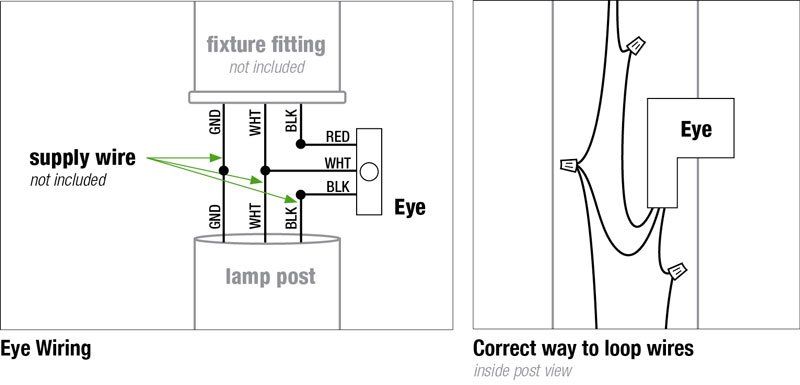
Image Source: lirp.cdn-website.com
Planning Your Lamp Post Installation
Before you pick up a single tool, a solid plan is crucial for lamp post wiring. This involves several key decisions that will impact the safety and functionality of your outdoor lighting.
Choosing Your Lamp Post Type and Location
The type of lamp post you choose will influence the wiring method. Common types include:
- Traditional Wired Lamp Posts: These require a direct connection to your home’s electrical system, usually via underground wiring for outdoor lights.
- Solar Powered Lamp Posts: These are the easiest to install as they don’t require any external wiring. They harness sunlight to charge a battery.
- Low Voltage Lamp Posts: These use a transformer to step down the voltage, making them safer and simpler to wire, often using thicker, buried cables.
Consider these factors when selecting a location:
- Aesthetics: Where will the light best enhance your landscape or pathway?
- Functionality: Will the light provide adequate illumination for its intended purpose (e.g., pathway, security, accent)?
- Proximity to Power: For wired lamp posts, how close is your lamp post power source?
- Underground Utilities: Always call 811 (or your local utility locating service) before digging to avoid hitting buried lines. This is a critical step for any underground wiring for outdoor lights.
- Sunlight Exposure (for Solar): If opting for a solar lamp post, ensure the location receives ample direct sunlight throughout the day.
Deciding on the Power Source
The lamp post power source is a fundamental decision.
- Mains Power (120V): This offers the brightest and most consistent light but requires more complex wiring and professional assistance for safety. It’s the most common choice for permanent, robust outdoor fixture wiring.
- Low Voltage (12V or 24V): This is a safer and more DIY-friendly option. It requires a transformer connected to your mains power, stepping down the voltage for the lamp post. This is ideal for low voltage lamp post wiring and reduces the risk of electrical shock.
- Solar Power: As mentioned, this is the simplest as it has no external wiring. Solar lamp post wiring is non-existent in the traditional sense; you are essentially assembling and positioning the unit.
Gathering Necessary Tools and Materials
Having the right tools and materials on hand will make the job smoother and safer.
Essential Tools:
- Shovel or post hole digger
- Wire strippers/cutters
- Screwdrivers (Phillips and flathead)
- Adjustable wrench
- Voltage tester (non-contact is recommended for initial checks)
- Fish tape (if running wire through conduit)
- Safety glasses
- Work gloves
- Measuring tape
Essential Materials:
- Lamp Post: The fixture itself.
- Wiring: Appropriate gauge wire for your chosen voltage and distance (refer to electrical codes or consult an electrician). For 120V, use outdoor-rated cable like UF-B. For low voltage, use low voltage landscape wire.
- Conduit (if required): To protect wiring, especially underground.
- Waterproof Wire Connectors: Essential for making safe, weather-resistant connections.
- Electrical Tape: For added insulation.
- Grounding Rod and Wire: Crucial for safety with mains voltage.
- Transformer (for Low Voltage): Sized appropriately for your system.
- Timer or Photocell (optional): For automated operation.
- Concrete mix (if installing a new post): For securing the post.
- Gravel: For drainage at the bottom of the post hole.
Wiring a Traditional (Mains Voltage) Lamp Post
Wiring a lamp post directly to your home’s electrical system is a more involved process that requires strict adherence to electrical safety for lamp posts. If you are not comfortable with electrical work, it is highly recommended to hire a qualified electrician for this part.
Step 1: Turning Off the Power
This is the most critical step in electrical safety for lamp posts.
- Locate the circuit breaker that controls the area where you will be working.
- Flip the breaker to the “OFF” position.
- Use a voltage tester to confirm that power is indeed off at the intended connection point. Double-check by trying to turn on a light or outlet on that circuit.
Step 2: Running the Underground Cable
This is where underground wiring for outdoor lights comes into play.
- Digging the Trench: Dig a trench from your lamp post power source (usually an outdoor electrical box or junction box) to the desired lamp post location. The trench depth should comply with local electrical codes, typically at least 18-24 inches deep for direct burial cable.
- Installing Conduit (Recommended): While direct burial cable (like UF-B) is rated for burial, running it through conduit provides an extra layer of protection against physical damage, moisture, and rodents. Use rigid PVC conduit.
- Burying the Cable: Carefully lay the outdoor-rated electrical cable (UF-B is common for 120V) in the trench or through the conduit. Leave a few extra feet of cable at both ends to make connections.
- Marking the Cable Path: Consider burying warning tape above the cable to alert future excavators.
Step 3: Making Connections at the Power Source
This is where you will be connecting a lamp post to your home’s electrical supply.
- Access the Power Source: Open the junction box or electrical panel where you will be drawing power.
- Connect the Cable:
- Strip a small amount of insulation from the ends of the wires in your underground cable.
- Connect the black wire (hot) from the lamp post cable to the corresponding hot wire in your power source (usually a breaker or a dedicated circuit).
- Connect the white wire (neutral) from the lamp post cable to the neutral bus bar in your power source.
- Connect the bare copper or green wire (ground) from the lamp post cable to the grounding bus bar.
- Use Waterproof Connectors: Ensure all connections are made with appropriate, waterproof wire nuts or connectors designed for outdoor use.
- Secure and Seal: Properly secure the wires and ensure the junction box is tightly sealed to prevent moisture ingress.
Step 4: Wiring the Lamp Post Fixture
Now you’ll connect the cable to the lamp post itself.
- Access the Lamp Post Base: Most lamp posts have a weatherproof compartment at the base for wiring.
- Feed the Cable: Route the underground cable into this compartment.
- Strip Wires: Strip the ends of the wires coming from the underground cable.
- Connect to Fixture:
- Connect the black wire from the cable to the hot terminal on the lamp socket.
- Connect the white wire from the cable to the neutral terminal on the lamp socket.
- Connect the ground wire from the cable to the grounding screw on the lamp post.
- Secure Connections: Use wire nuts and electrical tape to ensure secure and insulated connections.
- Install Lamp and Globe: Screw in the appropriate bulb and attach the globe or fixture cover.
Step 5: Grounding
Proper grounding is paramount for electrical safety for lamp posts.
- Grounding Rod: If a grounding rod isn’t already present near your lamp post, drive one into the ground according to local codes.
- Connect Ground Wire: Run a grounding wire from the grounding bus bar at your power source, through the trench, to the grounding rod. Connect the ground wire from the lamp post to this grounding rod as well. This provides a path for electricity to flow safely into the earth in case of a fault.
Step 6: Testing the Installation
- Turn on Power: Go back to your circuit breaker and turn the power back on.
- Test the Light: The lamp post should now illuminate. Use your voltage tester to check for proper voltage at the fixture if needed.
Wiring a Low Voltage Lamp Post
Low voltage lamp post wiring is a popular and safer alternative for landscape lighting. It involves a transformer that converts your home’s standard voltage (120V) to a lower voltage (typically 12V or 24V).
Step 1: Installing the Transformer
- Location: The transformer should be installed in a dry, accessible location, typically near your lamp post power source (e.g., an outdoor outlet or junction box). It should also be protected from the elements.
- Connection to Mains: Connect the transformer’s primary (120V) side to a GFCI-protected outlet or a circuit breaker. Follow the manufacturer’s instructions for this connection. Electrical safety for lamp posts is still vital, even with low voltage.
Step 2: Running the Low Voltage Cable
- Cable Type: Use low voltage landscape wire specifically designed for outdoor use. This wire is typically thicker and more durable than standard indoor wire.
- Trenching: Dig trenches from the transformer to each lamp post location. Trenches can often be shallower for low voltage wiring (check local codes), but protection is still recommended.
- Conduit (Optional but Recommended): While not always strictly required for low voltage, running the wire through conduit provides excellent protection.
- Burying: Lay the low voltage cable in the trench or conduit.
Step 3: Making Connections at the Transformer
- Primary Side: As mentioned, this connects to your 120V power source.
- Secondary Side: This is where the low voltage wires from your lamp posts connect. The transformer will have terminals for the low voltage cable.
Step 4: Wiring the Lamp Post Fixture
This is often simpler than with mains voltage.
- Access Fixture: Many low voltage fixtures have easily accessible terminals or connection points.
- Connect Low Voltage Wire:
- Strip the ends of the low voltage cable.
- Connect the two conductors of the low voltage cable to the appropriate terminals on the lamp post fixture. Polarity (positive and negative) generally matters for some low voltage fixtures, so check the manufacturer’s instructions.
- Use Waterproof Connectors: Ensure all connections are waterproof. Specialty low voltage connectors are available.
Step 5: Connecting Multiple Fixtures (if applicable)
- Parallel Wiring: Low voltage systems are almost always wired in parallel. This means you connect each lamp post’s wires to the transformer’s output terminals or to the main low voltage cable run.
- Wire Gauge and Voltage Drop: For longer runs or more fixtures, you may need to use thicker gauge low voltage wire to prevent voltage drop, which can cause lights to dim. Consult charts or an electrician to determine the correct wire gauge for your specific setup.
Step 6: Testing the Low Voltage System
- Turn on Power: Energize the transformer by turning on its circuit breaker or plugging it in.
- Test Lights: Each lamp post should illuminate.
Wiring a Solar Lamp Post
Solar lamp post wiring is the most straightforward as it involves minimal to no actual electrical wiring. The “wiring” is essentially connecting components within the fixture itself.
Step 1: Assembly
- Unpack and Inspect: Carefully unpack all components and check for any damage.
- Assemble the Post: Follow the manufacturer’s instructions to assemble the lamp post pole, globe, and any decorative elements.
Step 2: Connecting the Solar Panel and Battery
- Internal Connections: The solar panel is typically integrated into the top of the lamp post. It’s usually connected internally to a battery and the LED light.
- Battery Installation: If the battery is not pre-installed, insert it into its compartment, paying close attention to polarity (+/-).
- Cover and Secure: Ensure the battery compartment is securely closed to protect it from the elements.
Step 3: Positioning for Sunlight
- Optimal Placement: Position the solar lamp post in an area that receives direct sunlight for at least 6-8 hours per day. Avoid shaded areas from trees, buildings, or other obstructions.
- Orientation: The solar panel should face the direction that gets the most sun.
Step 4: Activation
- On/Off Switch: Most solar lamp posts have an on/off switch or an automatic light sensor. Ensure the unit is switched “ON” or that the light sensor is not obstructed if you want it to operate automatically.
- Initial Charge: Allow the solar panel to charge the battery for a full day before expecting optimal performance.
Important Safety Precautions for All Lamp Post Wiring
Regardless of the voltage, safety must be your top priority when doing any lamp post wiring.
Pre-Work Safety Checks:
- Always Turn Off Power: Never work on live electrical circuits.
- Use a Voltage Tester: Confirm power is off before touching any wires.
- Wear Safety Gear: Safety glasses and gloves are essential.
- Check Local Codes: Electrical codes vary by location. Ensure your installation complies.
- Call Before You Dig: Always contact 811 or your local utility locating service before digging.
During Installation Safety:
- Use Outdoor-Rated Materials: All wiring, connectors, and fixtures must be rated for outdoor use to withstand moisture and temperature fluctuations.
- Waterproof Connections: Use high-quality waterproof wire connectors and electrical tape for all outdoor splices.
- Proper Grounding: Essential for 120V installations to prevent shock hazards.
- Conduit Protection: Use conduit to protect underground wiring from damage.
- Avoid Water Sources: Do not run wiring near or under any water features or sprinkler systems without proper protection and adherence to codes.
- Don’t Overload Circuits: Ensure your circuit can handle the load of the lamp post.
Post-Installation Safety:
- Regular Inspections: Periodically check your lamp post wiring for any signs of wear, damage, or corrosion.
- Keep Area Clear: Ensure the base of the lamp post and any access panels are free from debris.
Frequently Asked Questions (FAQ)
Q1: What gauge wire should I use for my lamp post?
A1: The gauge of wire depends on the voltage, wattage of the bulb, and the distance from the power source. For 120V, UF-B cable is common, and the gauge will be specified by electrical code (often 12 or 14 gauge). For low voltage, consult charts for voltage drop based on distance and load, but 12 or 10 gauge low voltage wire is frequently used for landscape lighting.
Q2: Can I connect my lamp post to an existing outdoor outlet?
A2: Yes, provided the outlet is GFCI-protected and the circuit can safely handle the additional load. It’s always best to check your home’s electrical panel capacity.
Q3: How deep should I bury the wire for my lamp post?
A3: Local electrical codes dictate trench depth. For 120V direct burial cable, it’s typically 18-24 inches. For low voltage, it can sometimes be shallower, but conduit is always a good protective measure.
Q4: Do I need a permit for outdoor lighting installation?
A4: This depends on your local building and electrical codes. Many areas require permits for new electrical installations, especially those involving underground wiring. Check with your local building department.
Q5: My solar lamp post isn’t very bright. What could be wrong?
A5: Common issues include insufficient sunlight exposure, a dirty solar panel, a worn-out battery, or a low-wattage LED. Ensure the panel is clean and has direct sunlight for most of the day.
Q6: What is the difference between low voltage and line voltage landscape lighting?
A6: Line voltage (120V) uses standard household power and is generally brighter and more robust but requires more careful installation and safety measures. Low voltage (12V or 24V) uses a transformer to reduce the voltage, making it safer, easier to install, and more energy-efficient, though often less bright than line voltage options.
By following these detailed steps and prioritizing safety, you can successfully complete your lamp post wiring project, enhancing your outdoor space with beautiful and functional lighting.